
Symptoms of Sarcoidoisis Autoimmune Disease |
Sarcoidosis is an autoimmune disease condition that affects the organs of the body, but especially the liver and lungs. In sarcoidosis, abnormal tissue growths called granulomas form in many organs, including the lungs, liver, lymph nodes, eyes, skin and other areas. They are characterized by small bead-like patches of inflamed cells. For some people, sarcoidosis causes only minimal symptoms, whereas others develop serious or life-threatening complications. The condition can cause long-term organ damage such as the formation of fiber-like scar tissue in the lungs, which can interfere with breathing. In low-level sarcoidosis, patients may experience a full or partial remission within two to five years after onset. More than 75 percent of those with enlarged lymph nodes and more than 50 percent of those with lung involvement recover after five years. More than two-thirds of people with lung sarcoidosis have no symptoms after nine years. About half of those diagnosed will have relapses over time, and only 10 percent develop serious or life-threatening complications. |
Signs and Symptoms of Sarcoidosis |
| Many people with sarcoidosis have no symptoms at all. Some people with pulmonary (lung) sarcoidosis may experience the following signs and symptoms: |
|
| When sarcoidosis affects areas of the body other than the lungs, symptoms can include: |
|
Causes of Sarcoidosis |
Some of the latest research has shown that it is a bacteria in the granulomas that initiate and cause sarcoidosis, So this is definitely one autoimmune disease where antibiotics or (better yet) supplements that kill bacteria or help the body to better kill bacteria can play a vital role. Sarcoidosis can also be triggered like any other autoimmune symptom. The cumulative toxic burden in the body – chemicals, heavy metals, bacteria, yeast, fungus, plastics, food additives, fructose, stress, etc – can trigger an Interleukin-6 reaction where auto-antibodies are released and end up inflaming previously healthy tissue. In this instance, it is a case of misplaced immunity. Other factors that can be a cause of sarcoidosis include genetic predisposition and viral infections. |
Nutritional Tips for Sarcoidosis |
|
We suggest getting a hair tissue mineral analysis (HTMA) to help you determine accurately what your body needs more of in terms of essential trace minerals and needs to eliminate in terms of toxic heavy metals and toxic mineral ratios. Toxic mineral ratios and toxic metal accumulation following long term or acute exposure can contribute greatly to degenerative conditions like interstitial cystitis. |
|
| Essential minerals such as calcium, magnesium, zinc, iron, potassium and sodium all have important metabolic functions. However, too little or too much of any of these essential minerals can have an adverse affect on the human body and its ability to recover. | |
How can a hair analysis help me achieve better health? If we consider that diet is what we consume and nutrition is what we retain, then we can see that discovering what your body needs when it needs it is a valuable tool in creating health.
The dangers of exposure to toxic heavy metals such as mercury, lead and aluminum have been well documented over the years. Levels of heavy metals in the body can only be accurately measured using a hair tissue analysis or a chelation challenge test (which can be expensive and have serious side-effects). Blood or urine tests give information about your metal or mineral levels at the time of the test only.
|
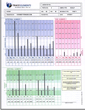
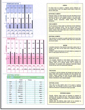
A hair analysis provides a biological profile of the past 2 – 3 months of intracellular activity revealing a unique metabolic world which cannot be seen through most other tests. The hair mineral analysis gives you or your healthcare professional much-needed information about mineral deficiencies and chemical imbalances in your body, especially if you’re suffering from symptoms of any disease or disorder, including intestitial cysitis. For FAQ’s about hair analysis, please click here. For an overview of what is covered in a comprehensive hair analysis report (by Trace Elements, Inc.), please click here. |
 |
To purchase a comprehensive Hair Tissue Mineral Analysis (by Trace Elements, Inc.), please click here. |
In Summary |
The prognosis for most people with sarcoidosis is good. Only about 15% of those with sarcoidosis have symptoms that get worse, and 5% develop severe lung problems. It is of utmost importance to decrease the toxic burden on the body, give proper nutrients to the cells, and effectively decrease inflammation. This will enhance the quality of life for sarcoidosis sufferers, no matter what the level of severity. If there is one thing that seems to be universally true with autoimmune patients, it is that they have a toxic body. The more discomfort you are in, the more pain you are feeling, the sicker and more toxic you are. Inflammation and irritation are classic signs of a toxic body. Although environmental toxins are not the only cause of autoimmune disorders, they may be the root cause of other factors such as candida, viral or bacterial infections. All autoimmune diseases have one thing in common: an underlying autoimmune process. For strategies on how to combat this autoimmune process, please click here for our Autoimune Repair Plan using natural supplement and detoxification therapies. |
Additional Useful Information on Autoimmune Disease |
|
What is Autoimmune Disease? Causes of Autoimmune Disease ymptoms of Autoimmune Disease |
Sterols and Sterolins Author's Autoimmune Disease Experience Resources and Consultants |
Thank you for visiting our page on Symptoms of Saracoidosis! |
 FEATURE ARTICLES